
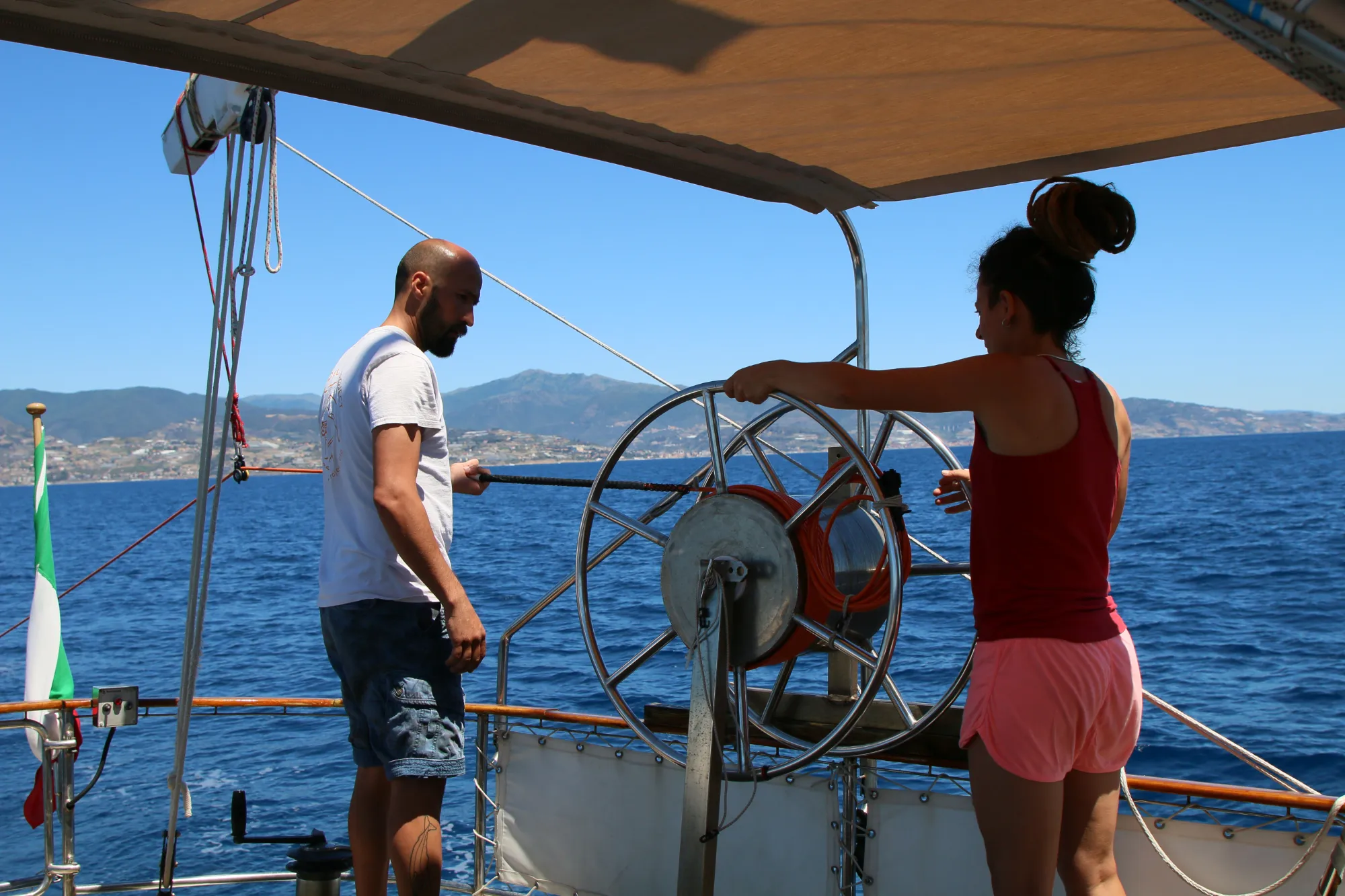
Since 1987, Tethys has made significant contributions to the understanding of the ecology and conservation status of various marine vertebrates, including marine mammals and cartilaginous fishes. While its research primarily focuses on the Mediterranean Sea, Tethys has also carried out studies in the Red Sea, the North Atlantic, the Caribbean, the Black Sea, and Antarctica.
Thanks to two long-term initiatives — the Cetacean Sanctuary Research (since 1990) and the Ionian Dolphin Project (since 1991) — Tethys has developed two of the most comprehensive datasets on Mediterranean cetaceans, among the longest time series of its kind.
The Telemetry Lab serves as a hub for research involving satellite and radio telemetry, aimed at tracking animal movements and behavior in their natural habitats.
Additional research activities are carried out through independently funded projects and international collaborations.
The Institute shares its data with the scientific community and policy makers through several open-access platforms, including
Research priorities
Aiming to support the conservation of marine animals and their environment, the institute’s research focuses on threats to population survival caused by human activities.
These include, but are not limited to, ship strikes involving large cetaceans, fisheries interactions, and habitat loss.
To address these issues, the research centers on several key areas:
- Monitoring of marine mammals to detect population trends
- Identifying and assessing threats to local marine ecosystems
- Studying ship strikes involving large whales, particularly in the Pelagos Sanctuary
- Investigating whale and dolphin movements, habitat use, and behaviour
- Mapping critical habitats such as feeding hotspots and migratory corridors
The studies also explore related mitigation strategies, with the aim of providing a scientific basis for decision-makers.
Permanent focus areas
Tethys’ research is primarily concentrated in the Mediterranean and especially in two long-term study areas:
- Pelagos Sanctuary (NW Mediterranean), focused on eight occurring cetacean species.
- The coastal waters of the Eastern Ionian Sea, focused on dolphins and other occasional cetaceans, and the Mediterranean monk seal.
Species
Tethys’ research is primarily dedicated to large marine vertebrates, with a focus on three main groups: cetaceans, pinnipeds, and mobulid rays. While the work concentrates mainly on species inhabiting the Mediterranean Sea, non-Mediterranean species are also occasionally studied.
- Cetaceans
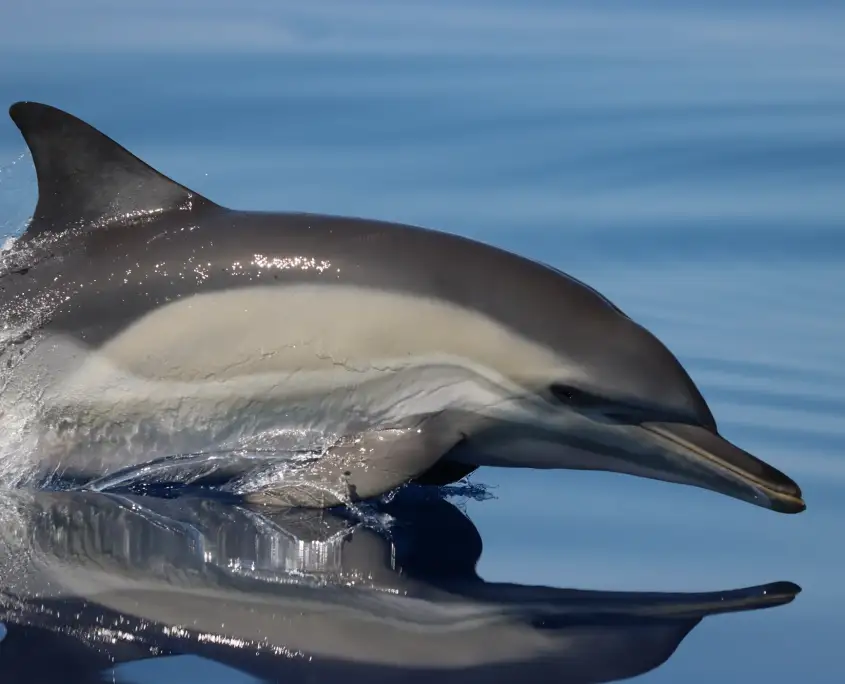
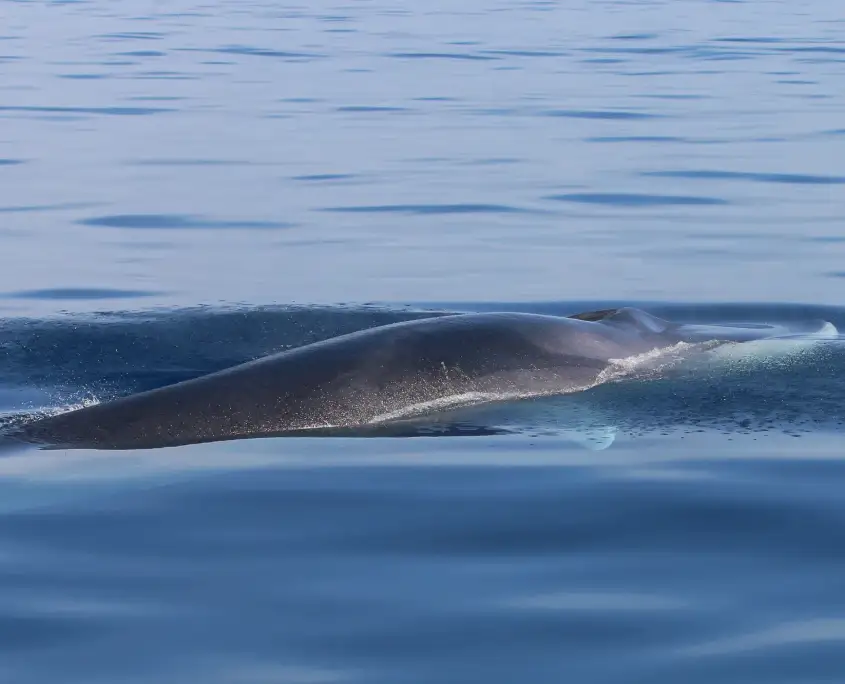
- Regular Mediterranean species: fin whales (Balaenoptera physalus), sperm whales (Physeter macrocephalus), striped dolphins (Stenella coeruleoalba), Risso’s dolphins (Grampus griseus), common bottlenose dolphins (Tursiops truncatus), long-finned pilot whales (Globicephala melas), Cuvier’s beaked whales (Ziphius cavirostris), common dolphins (Delphinus delphis)
- Occasional Mediterranean species
- Pinnipeds
- Mediterranean monk seal (Monachus monachus)
- Other large marine vertebrates
- Devil ray (Mobula mobular)
- Other cartilagineous species
- Loggerhead sea turtle (Caretta caretta)
Skills and research techniques
Methods developed over decades of work include:
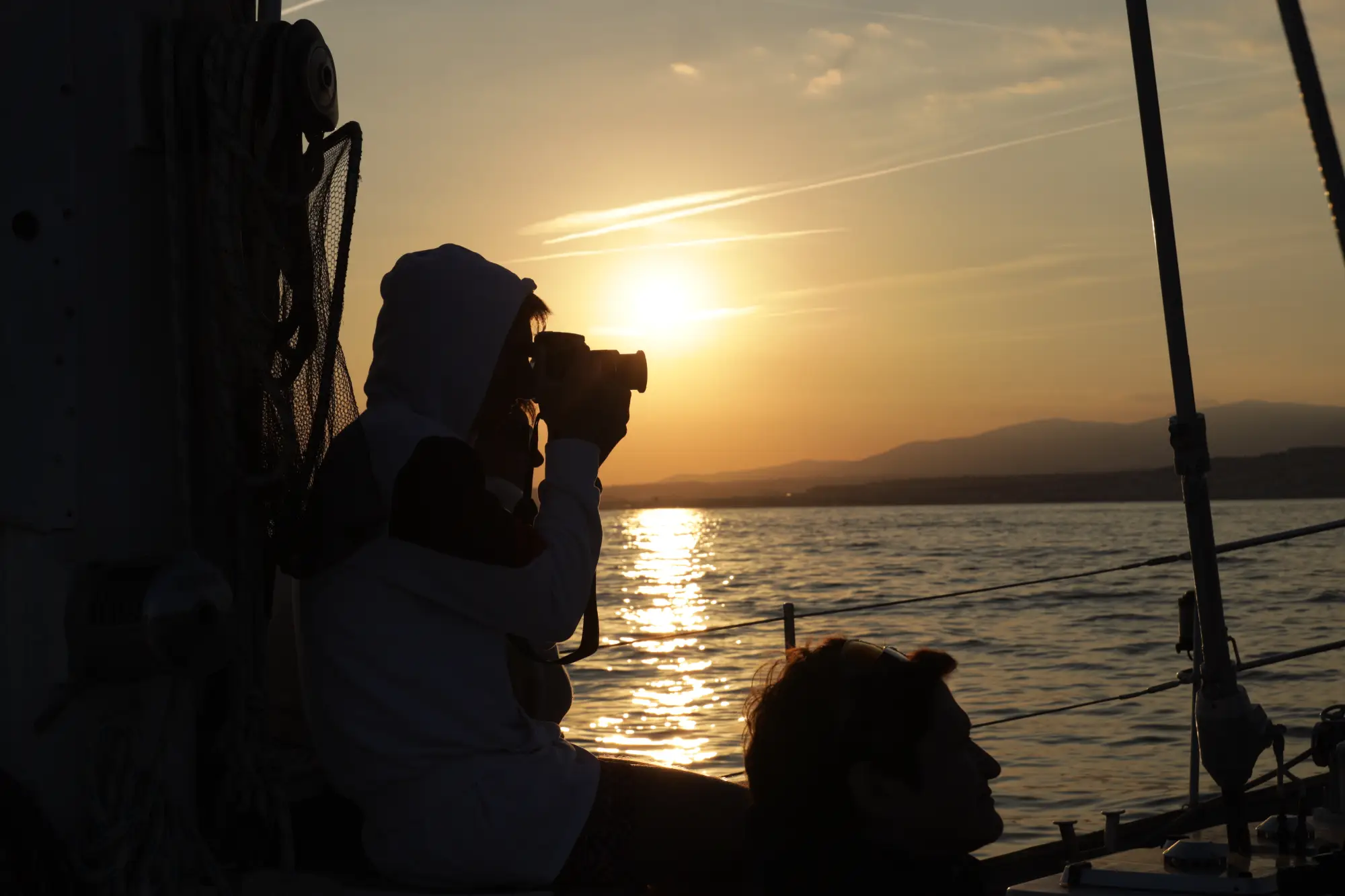
- Observation and Survey Techniques
- aerial
- by boat
- by drone
- photo-identification
- distance sampling
- photogrammetry
- behavioural sampling
- Acoustic Techniques
- passive acoustic monitoring (PAM)
- Biological sampling
- remote biopsy sampling for genetic and toxicological analyses
- skin swabbing for genetic analysis
- collection of feces for analysis (e.g., study of diet or infectious diseases)
- eDNA sampling
- Tracking
- Radio and satellite telemetry
- Passive tracking
- Antropogenic data collection
- Monitoring of human activity at sea
- Environmental data
- Collection by means of sensors