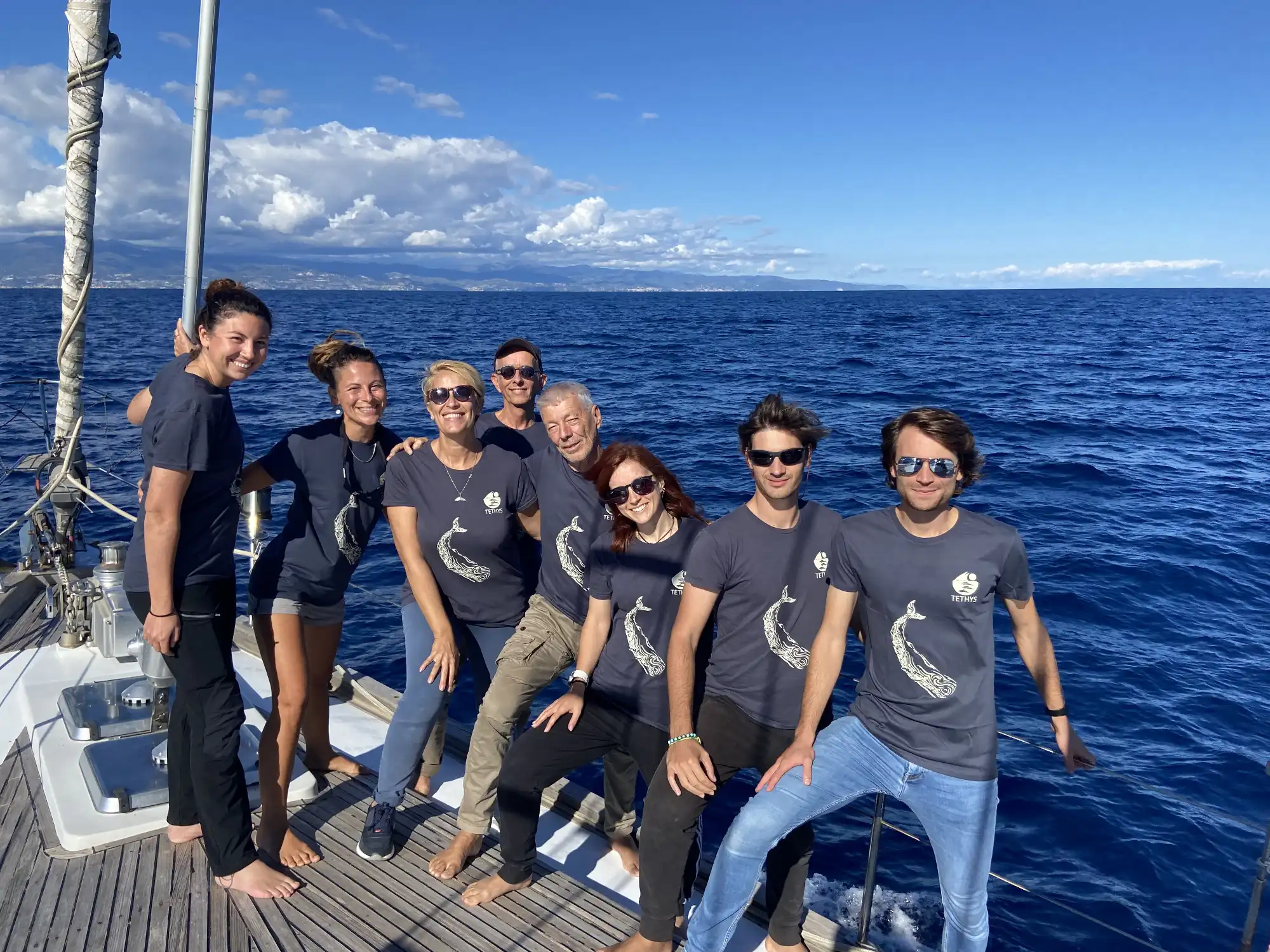
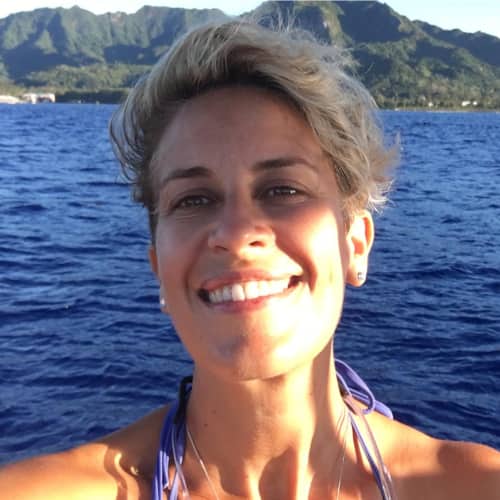
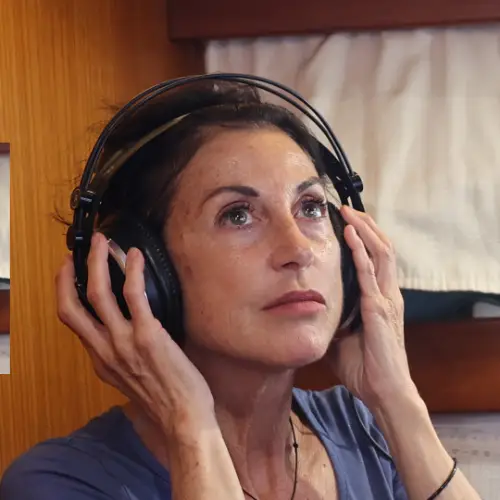
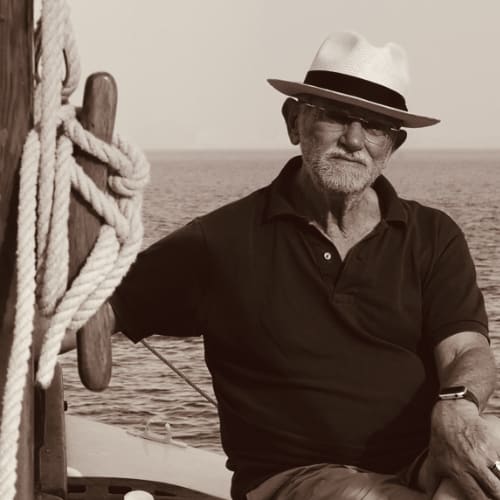
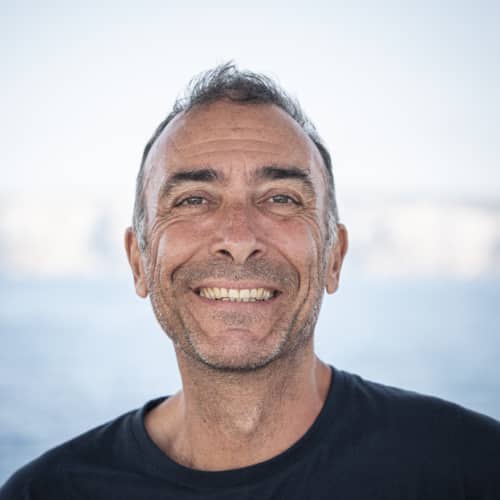
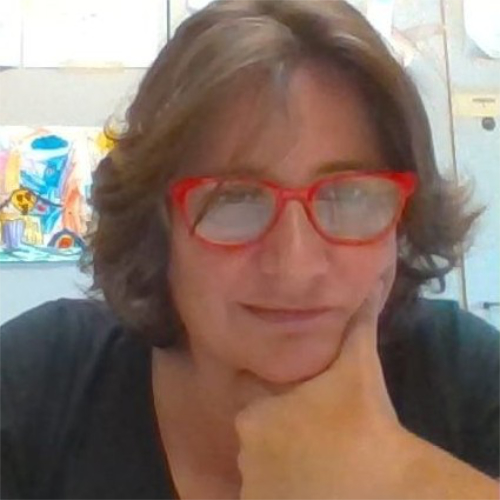
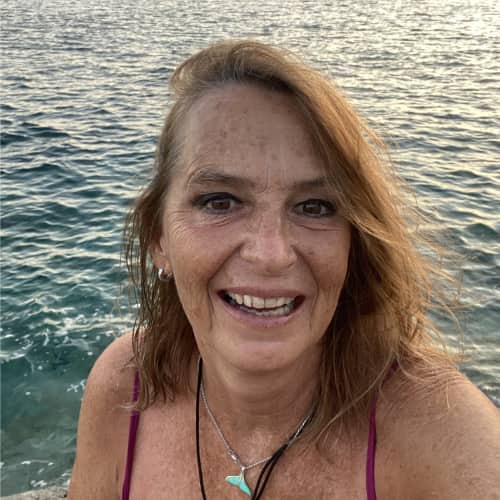
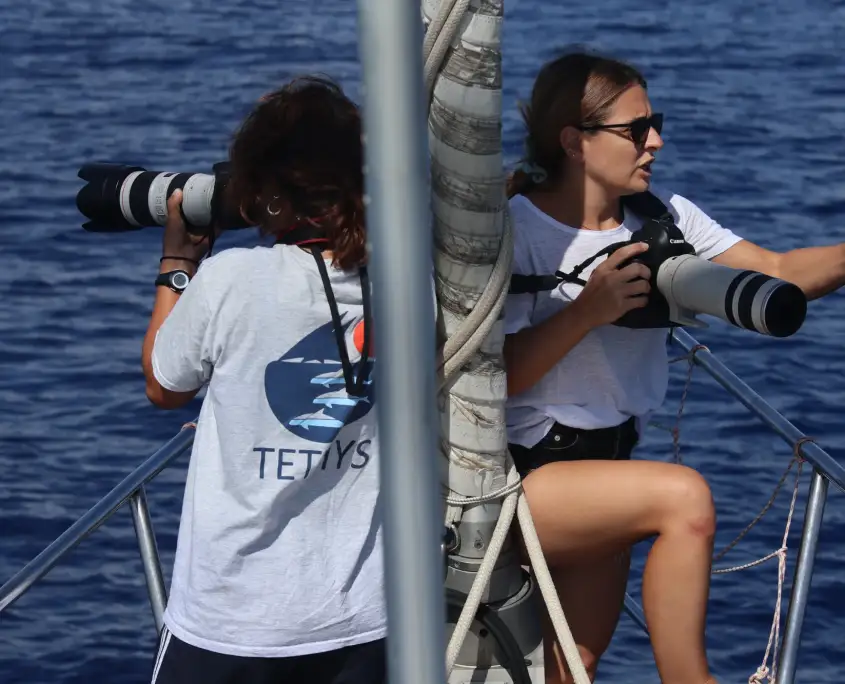
The Cetacean Sanctuary Research team includes several skilled professionals with a principal field investigator, researchers, and research assistants taking turns on board “Pelagos” and other research vessels during the field season. One or two Tethys researchers plus several research assistants provide the necessary scientific and logistic services on board. They share their knowledge and experience with participants in a variety of ways, including teaching research techniques and giving lectures on cetaceans and marine biology. The researchers hold a degree in Biology or Natural Sciences, and have significant prior experience in cetacean research. Research assistants are usually University students doing their theses in collaboration with Tethys.
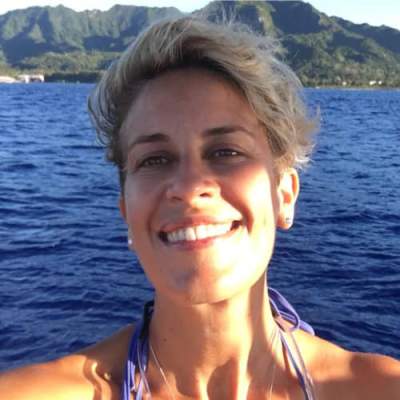
A non-profit organization for the study and conservation of the marine environment
Viale G.B. Gadio 2 - I-20121 Milano Italy
tethys@tethys.org
ph. +39 02 72 00 19 47
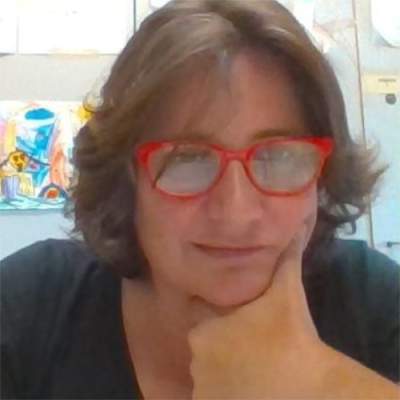
Caterina Lanfredi. Marine biologist engaged in the field of cetaceans’ conservation for over 20 years. I’m Member of the Board of Directors of the Tethys Research Institute and from 2026 Project Manager of the Tethys long-term project, Cetacean Sanctuary Research (CSR), operating in the Pelagos Sanctuary area. I am a member of the IUCN Joint SSC/WCPA Task Force on Marine Mammal Protected Areas and Important Marine Mammal Areas (IMMA) Secretariat member and GIS expert. I’m co-coordinating the Noise Sub Working Group of the Pelagos Agreement. From 2023 to 2025 I was engaged as Technical and Scientific consultant of the Pelagos Agreement assessing of potential impacts of port-related activities on marine mammals and their habitat. During my PhD, in Environmental Engineering, I gained experience in the field of maritime spatial planning, improving my GIS skills, and in the study of potential impacts on the marine environment due to human activities. During my Post-Doc, I collaborated with several national academic institutions. I participated in several marine mammal research projects around the world (Mediterranean Sea, Atlantic, Pacific and Southern Oceans) collaborating with national and international institutions. All these experiences have helped consolidate my understanding of the importance of knowledge holders, scientists, policymakers, managers, and stakeholders in implementing effective conservation strategies.
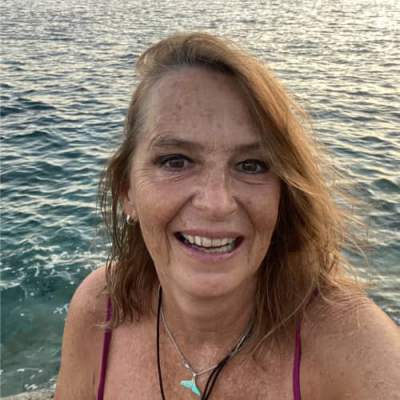
Sabina Airoldi has been a researcher at the Tethys Research Institute since 1987. She founded a research project on odontocetes and, from 2000 to 2025, directed the Cetacean Sanctuary Research project, focused on the study of cetaceans inhabiting the western portion of the Pelagos Sanctuary. Alongside her scientific work, she has long been committed to training and public outreach through collaborations with various media. For her contributions to cetacean research and conservation, she has received several awards, including the honor of Knight of the Order of Merit of the Italian Republic, with special mention by the Ministry of Foreign Affairs.
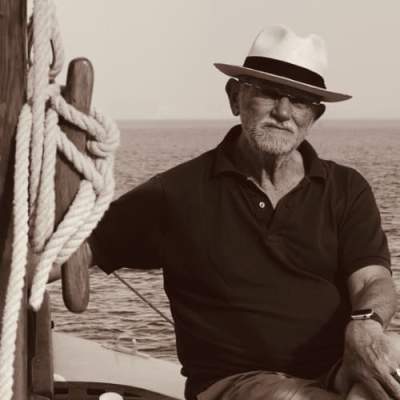
Giuseppe Notarbartolo di Sciara (PhD 1985, U. California San Diego, Scripps Institution of Oceanography) is a marine ecologist who has contributed for over 40 years to advancing knowledge of the ecology, behaviour and taxonomy of marine mammals and sharks. He is the honorary president of the Tethys Research Institute, which he founded in 1986. In 1991, he spearheaded the creation of the Pelagos Sanctuary for Mediterranean Marine Mammals, the world’s first high-seas marine protected area. From 1996 to 2003, he served as President of ICRAM, a government body responsible for providing scientific support to Italy’s national marine conservation policy. He served from 1999-2004 as the Italian Commissioner of the International Whaling Commission; from 1991-2022 as Deputy Chair of IUCN’s Cetacean Specialist Group; from 2002-2010 as Chair of the Scientific Committee of ACCOBAMS; and from 2014-2022 as the Councillor for aquatic mammals of the U.N. Convention of Migratory Species, appointed by the Conference of Parties. In 2013, he initiated the Important Marine Mammal Area program as an initiative of the IUCN Marine Mammal Protected Areas Task Force, which he co-founded and co-chairs. As a senior advisor, he also supports the Important Shark and Ray Area initiative. He taught conservation of marine biodiversity at the University Statale of Milan from 2007 to 2016. He has authored over 250 scientific works and 15 books, including “Sailing Across a Wounded Sea”, published by Springer Nature (further information on www.disciara.org).
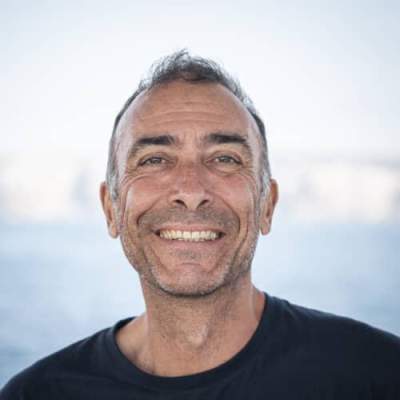
Dr. Simone Panigada is the President of the Tethys Research Institute and Chair of the Scientific Committee of ACCOBAMS. His main field of expertise covers conservation and management of the marine environment, with emphasis on vulnerable and threatened species. He has worked with cetaceans for more than 30 years and focuses his interest also on assessing the anthropogenic impacts (vessel strikes, chemical pollution, habitat degradation and climate change) in the Mediterranean. Since 2009, he has pioneered as project manager and PI aerial surveys to estimate abundance and density of cetaceans in the central Mediterranean. Simone is for the second time the Scientific Coordinator of the ACCOBAMS Survey Initiatives (ASI), a series of large-scale surveys (aerial and ship based) to estimate cetaceans’ and large vertebrates’ density and abundance over the entire Mediterranean Basin. He is the director of the Tethys Telemetry lab, which focuses, since 2012, on satellite telemetry projects on fin and sperm whales in the Mediterranean Sea and in the Antarctic. Simone is Deputy Chair of the Marine Mammals Protected Areas Task Force, within the IUCN SSC/WCPA, developing the concept of Important Marine Mammal Areas (IMMAs) throughout the world’s oceans. Simone is author and co-author of more than 75 peer-reviewed publications.
Maddalena Jahoda is a biologist and journalist engaged in both research and public outreach. Since 2012 she has served as the Institute’s Communication and Scientific Outreach Manager.
She graduated with an M.Sc. in Biology from the University of Milan in 1982 and has been involved with Tethys since its foundation, serving as a board member until 2023. She has been chief scientist of projects focused on the behaviour of Mediterranean fin whales within the Cetacean Sanctuary Research program and is currently involved in several short-term projects.
As a professional journalist, she has collaborated with Italian magazines and newspapers, as well as in documentary film editing. She is the author of popular-science books on cetaceans, including Le mie balene (My Whales) and Balene, salvateci! (Whales, Save Us!), both published in Italian by Mursia.
As part of her commitment to public science communication, she is also responsible for the Institute’s official outreach materials aimed at the general public (websites, press releases, leaflets, social media etc.), and she also works on graphics, augmented reality, video editing, and edu-tainment. On a personal level, she is also active in painting and theatre focused on cetacean conservation.