Results
Ionian Dolphin Project
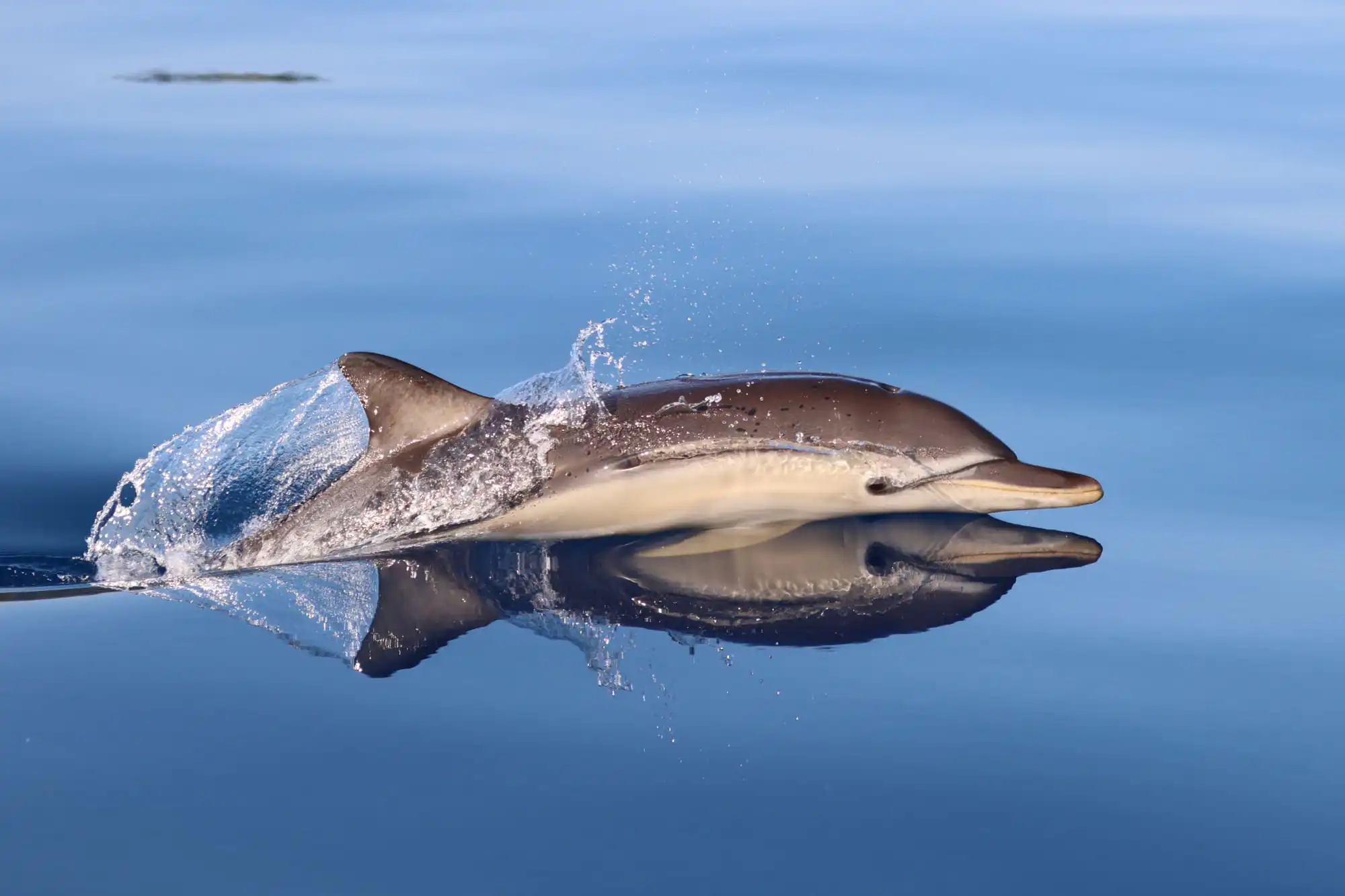
Once relatively abundant in the Inner Ionian Sea Archipelago, where they manifested a strong site-fidelity, common dolphins (Delphinus delphis) suffered a dramatic decline mainly due to prey depletion caused by overfishing. Encounters dropped from 2.2 individuals per 100 km in 1997 to 0.1 individuals per 100 km in 2004. Monitoring done in subsequent years together with numerous reports of opportunistic sightings provided by sailors/boaters collaborating with the Ionian Dolphin Project showed that a few animals are still present and they likely roam across a much wider area, occasionally moving into their former home.
Data from the project demonstrated that overfishing of small pelagic fish like anchovies and sardines has caused cascading effects on marine megafauna in the area. Purse seiners were identified as the main contributors to biomass removal.
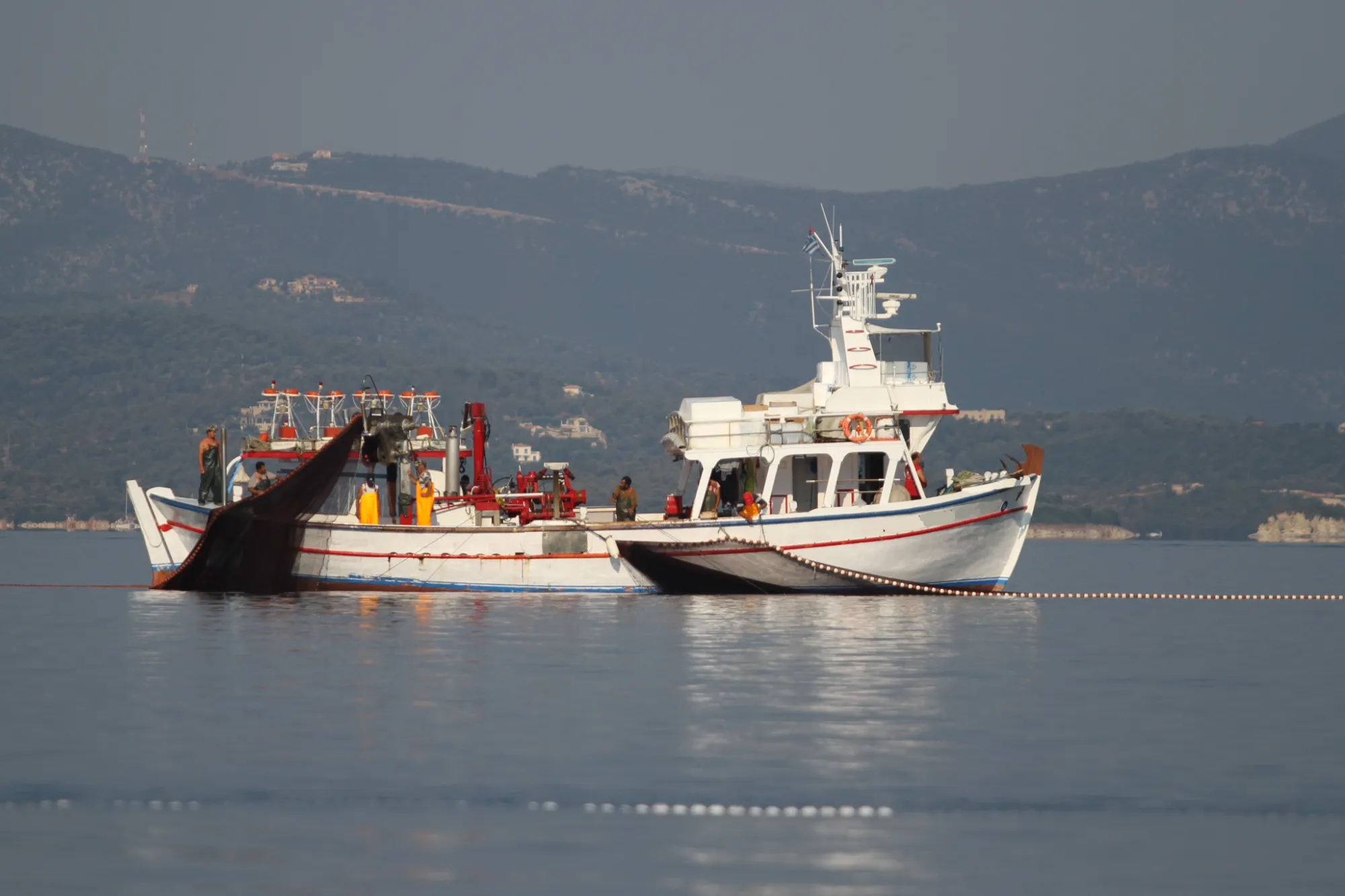
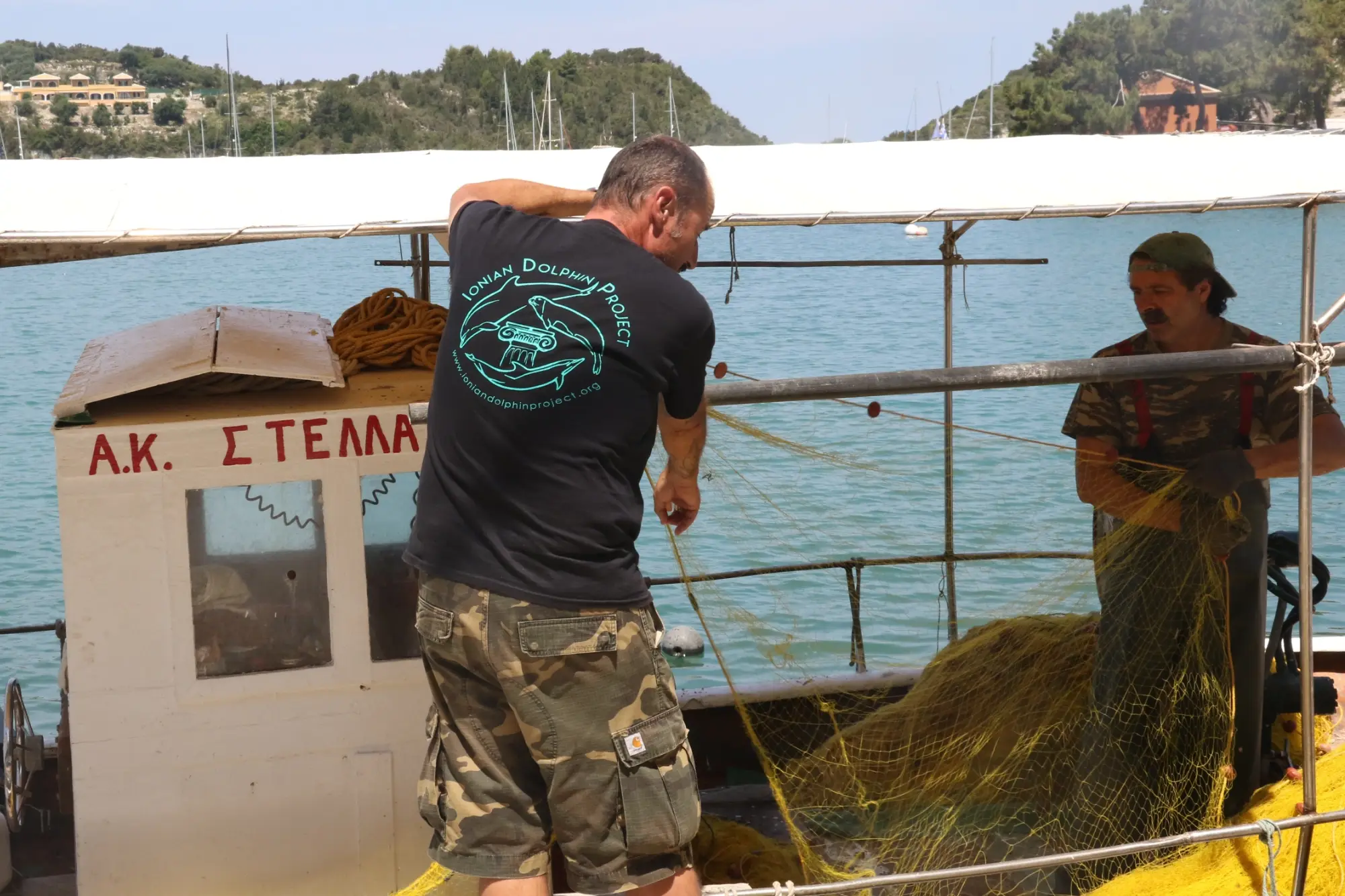
Fishers’ ecological knowledge, accumulated over the course of their fishing careers, is an invaluable source of information to improve management of fish stocks and rebuild marine ecosystems. Fishers of the Gulf of Ambracia advocate for measures to curtail habitat degradation, while their colleagues of the Inner Ionian Sea Archipelago call for fisheries management measures. All of them claim that effective law enforcement is urgently needed.
Bottlenose dolphins (Tursiops truncatus) in the Gulf Ambracia constitute a geographically distinct and genetically differentiated unit with little demographic exchange. Further, these dolphins are exposed to high levels of pollution, mostly derived from local agriculture (i.e. pesticides). Ambracian dolphins are particularly vulnerable to inbreeding depression, as suggested by elevated kinship levels together with limited gene flow from outside locations and are therefore very likely facing a high risk of local extinction.
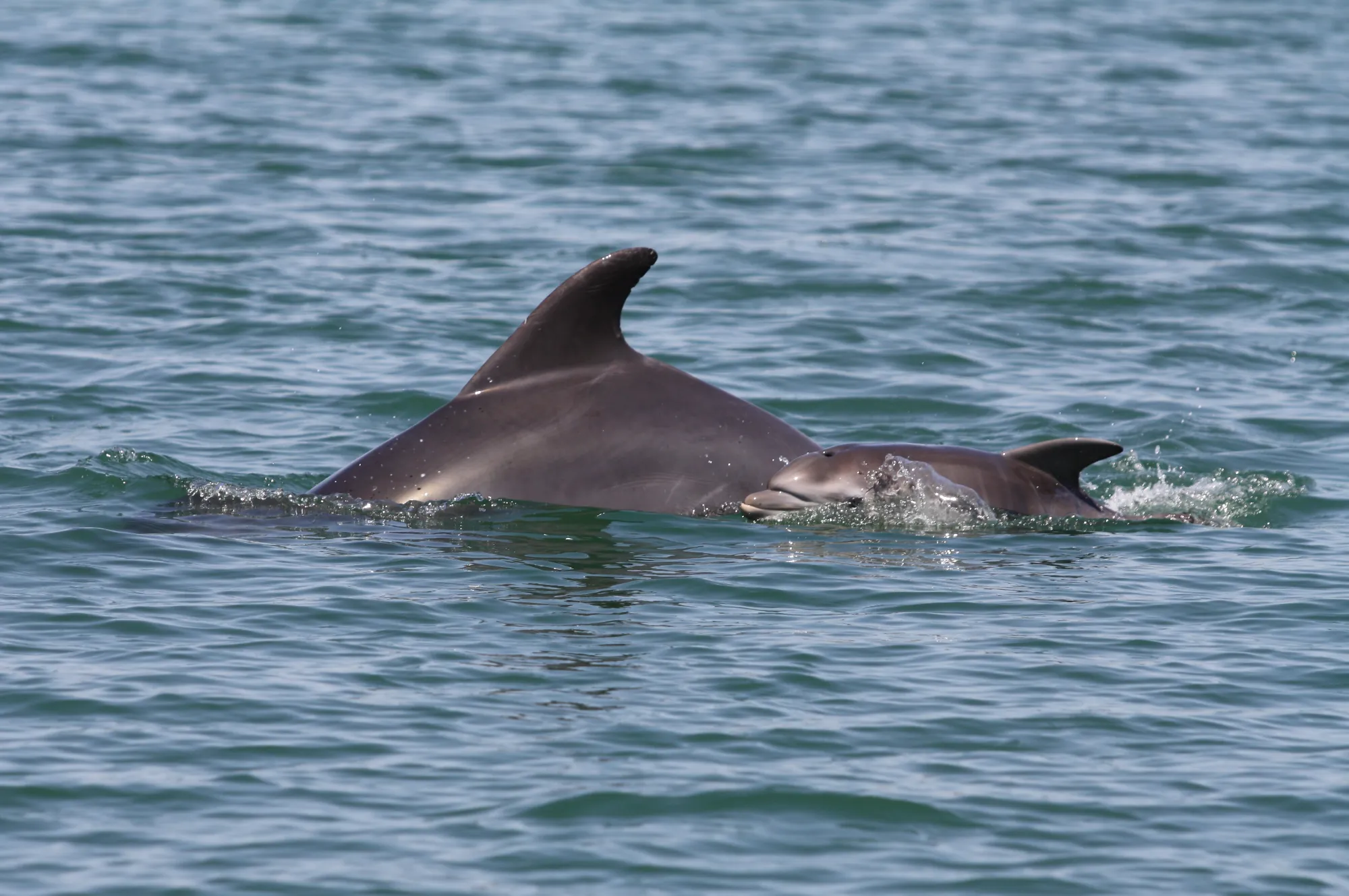
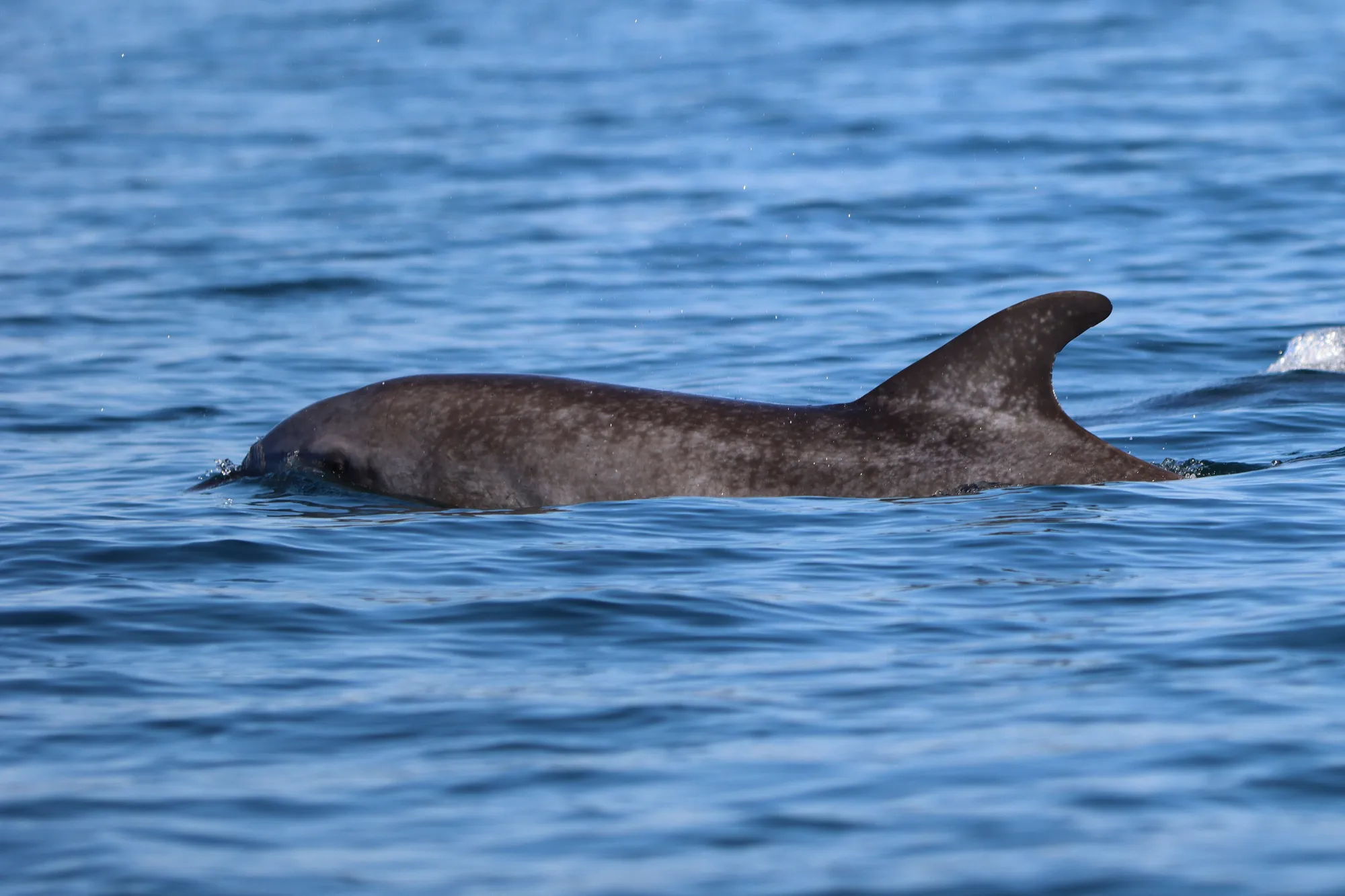
High dolphin density does not necessarily indicate a healthy ecosystem. Up to 37% of bottlenose dolphins in the Gulf of Ambracia shows skin lesions possibly linked to environmental stressors.
Both fish scale analysis and stable isotope studies have helped establishing the diet composition for three dolphin species inhabiting coastal waters of the Eastern Ionian Sea. Common dolphin niche overlapped with that of the striped dolphin by 77%, suggesting potential resource competition between them. Overlap between striped/common dolphins and bottlenose dolphins was much lower (47%). Large differences were found between the bottlenose dolphins of the Ionian Sea and those in the adjacent semi-enclosed Gulf of Ambracia.
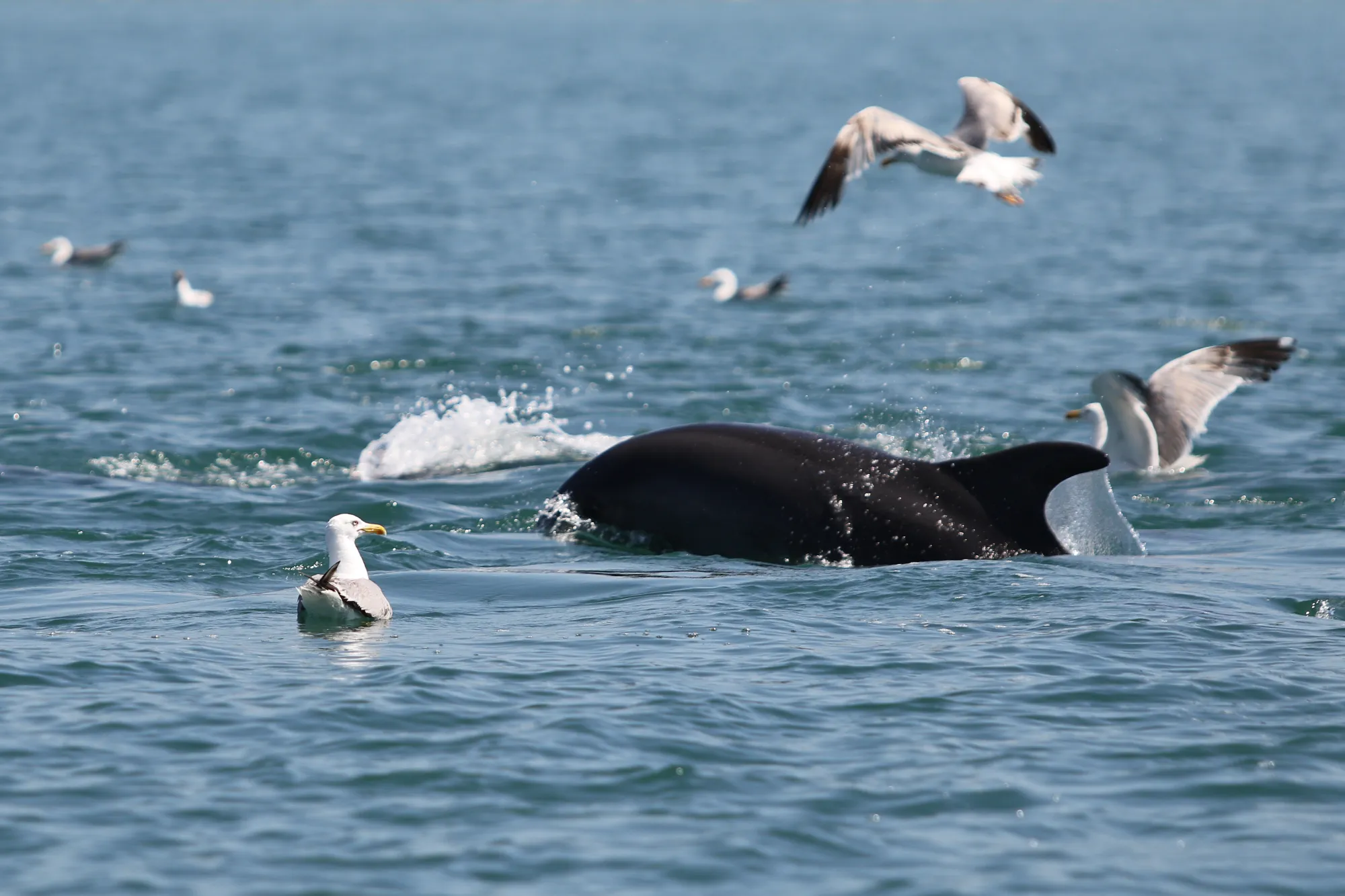
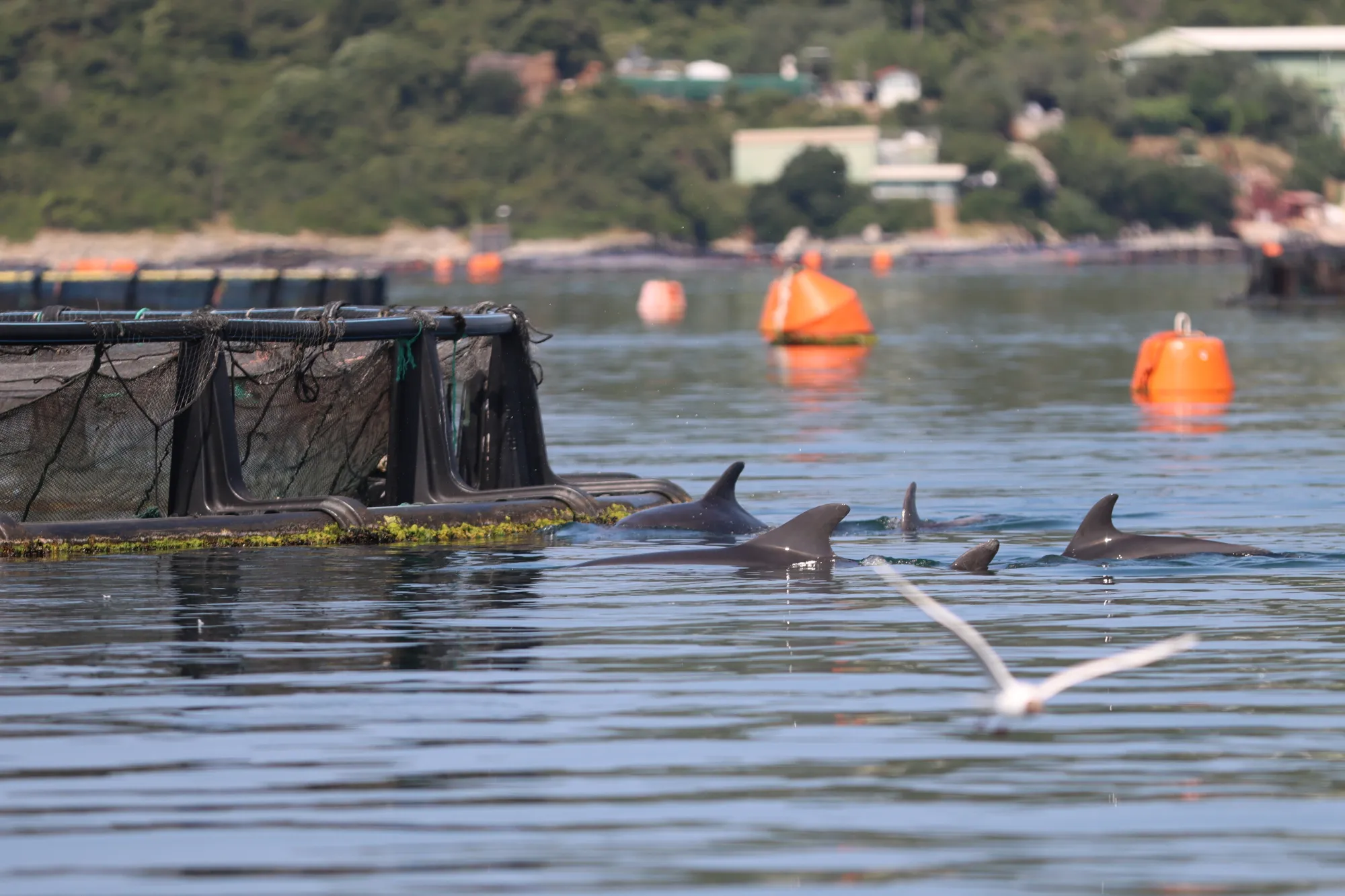
Bottlenose dolphins in the Mediterranean have become increasingly accustomed to foraging in the proximity of coastal fish farms due to the high concentration of wild fish species in the vicinity of their cages as a consequence of pellets lost through cages and/or particulate organic matter from broken pellets and fish faeces. Such interaction has been observed in the Ionian Sea and, particularly, in the Gulf of Ambracia, where most bottlenose dolphins avoid fish farms, while others take advantage of them. The expansion of the fish farm area or the creation of new farms in other parts of the Gulf should be discouraged if bottlenose dolphins are to be protected.
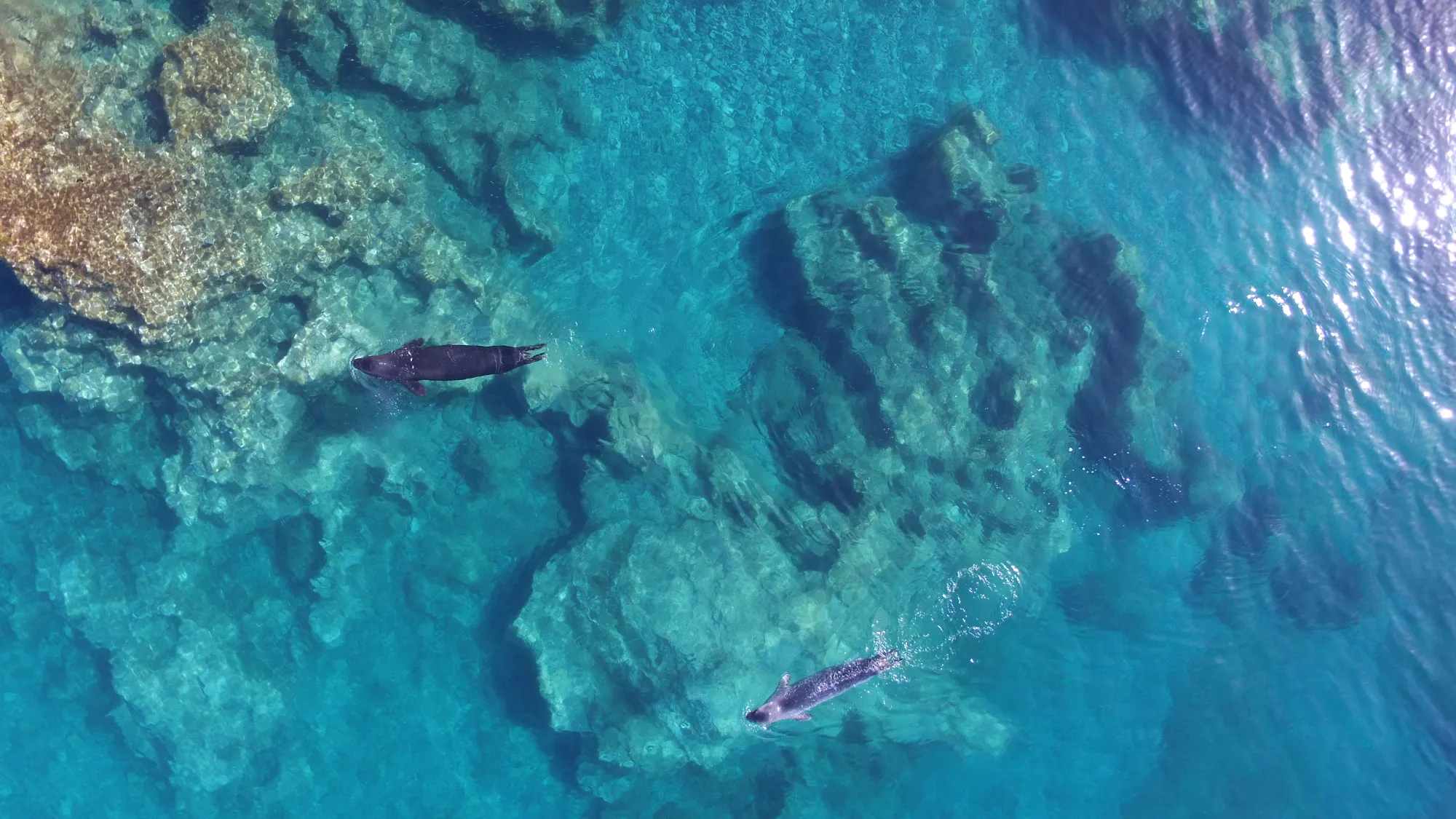
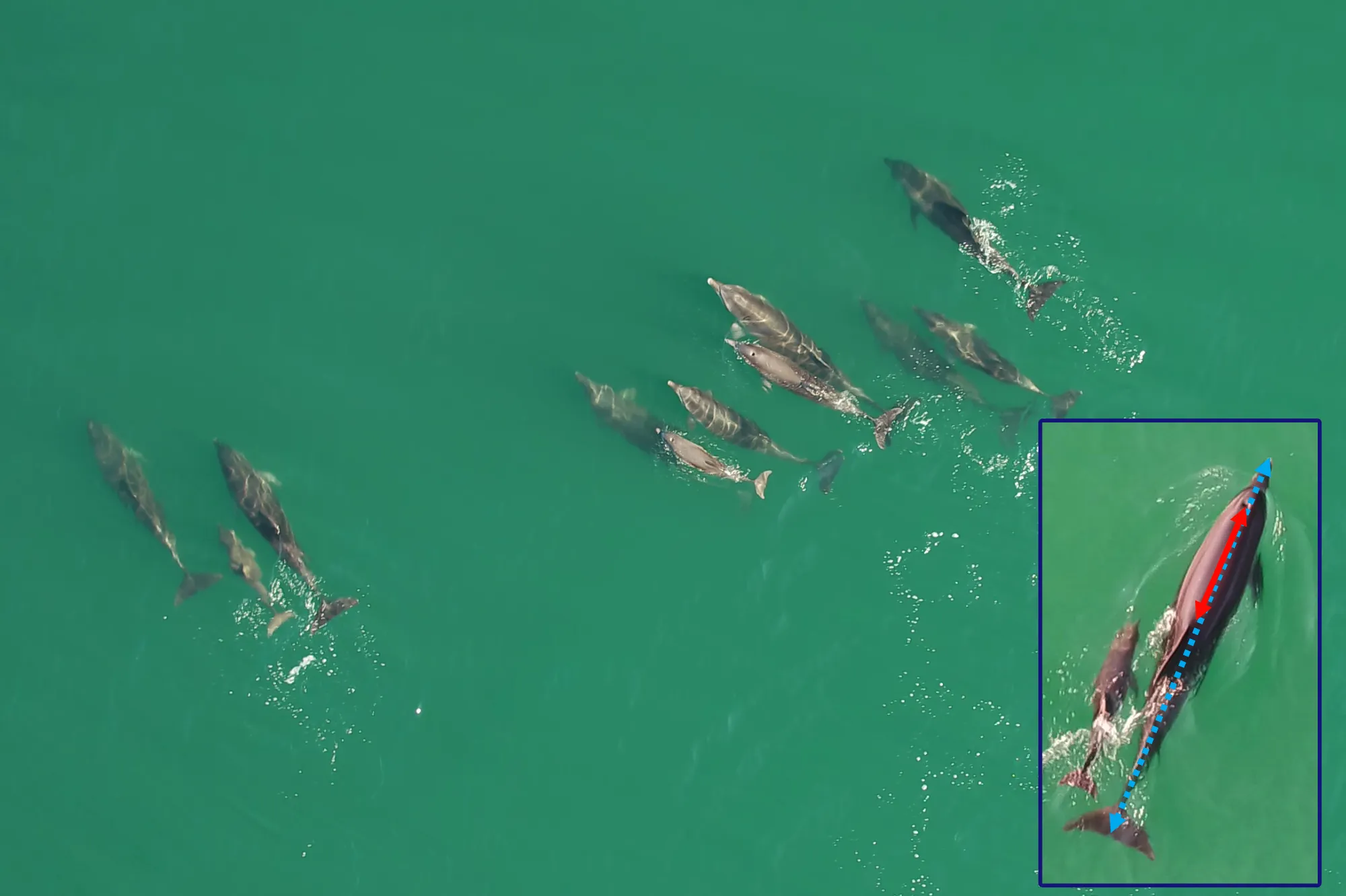
Drone photogrammetry combined with long-term photoidentification data allowed accurate age-structure estimation. We demonstrated the effectiveness of this new methodology in rapidly quantifying population age-structure and its potential as a tool for informing timely conservation management decisions.
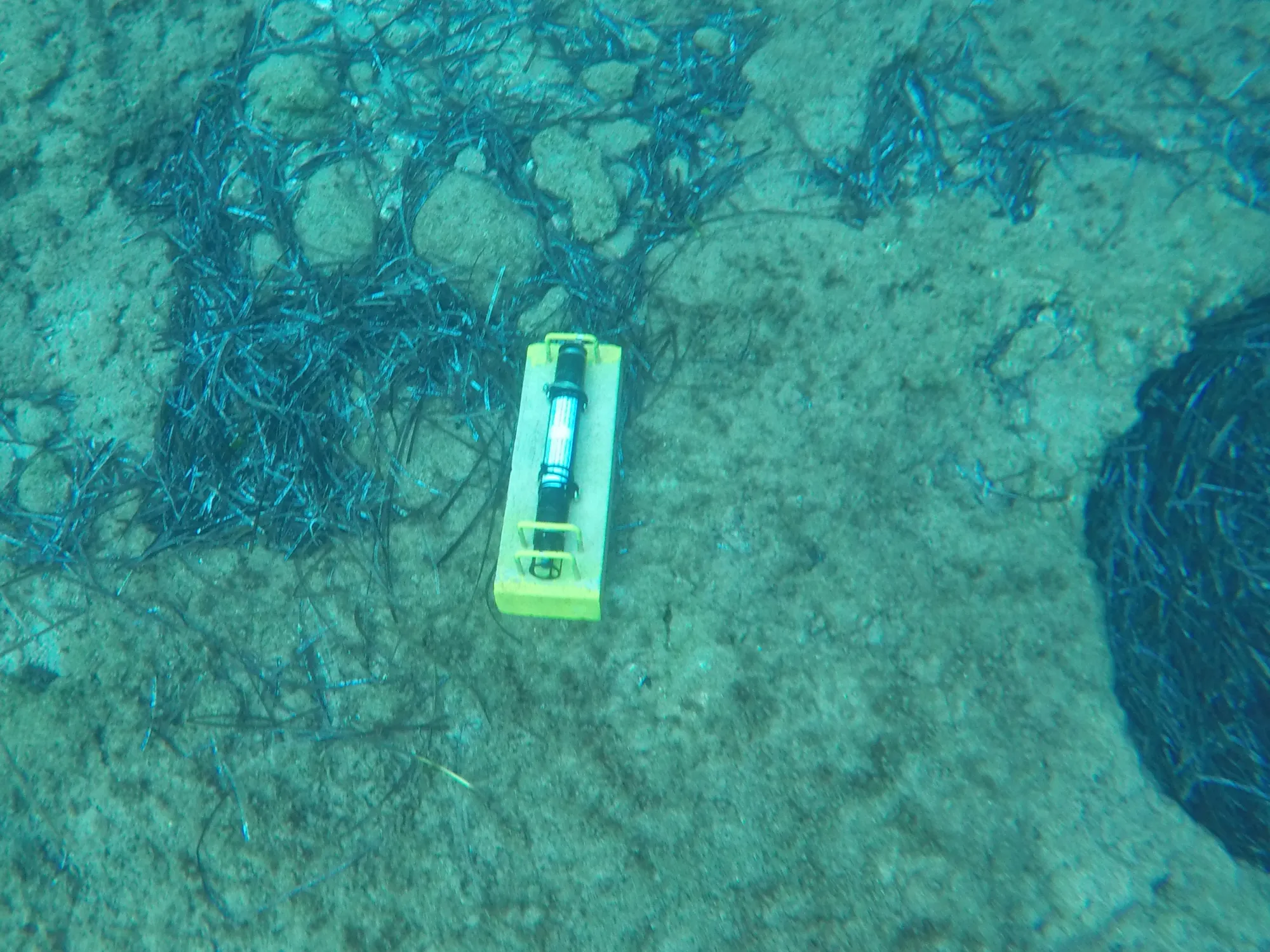
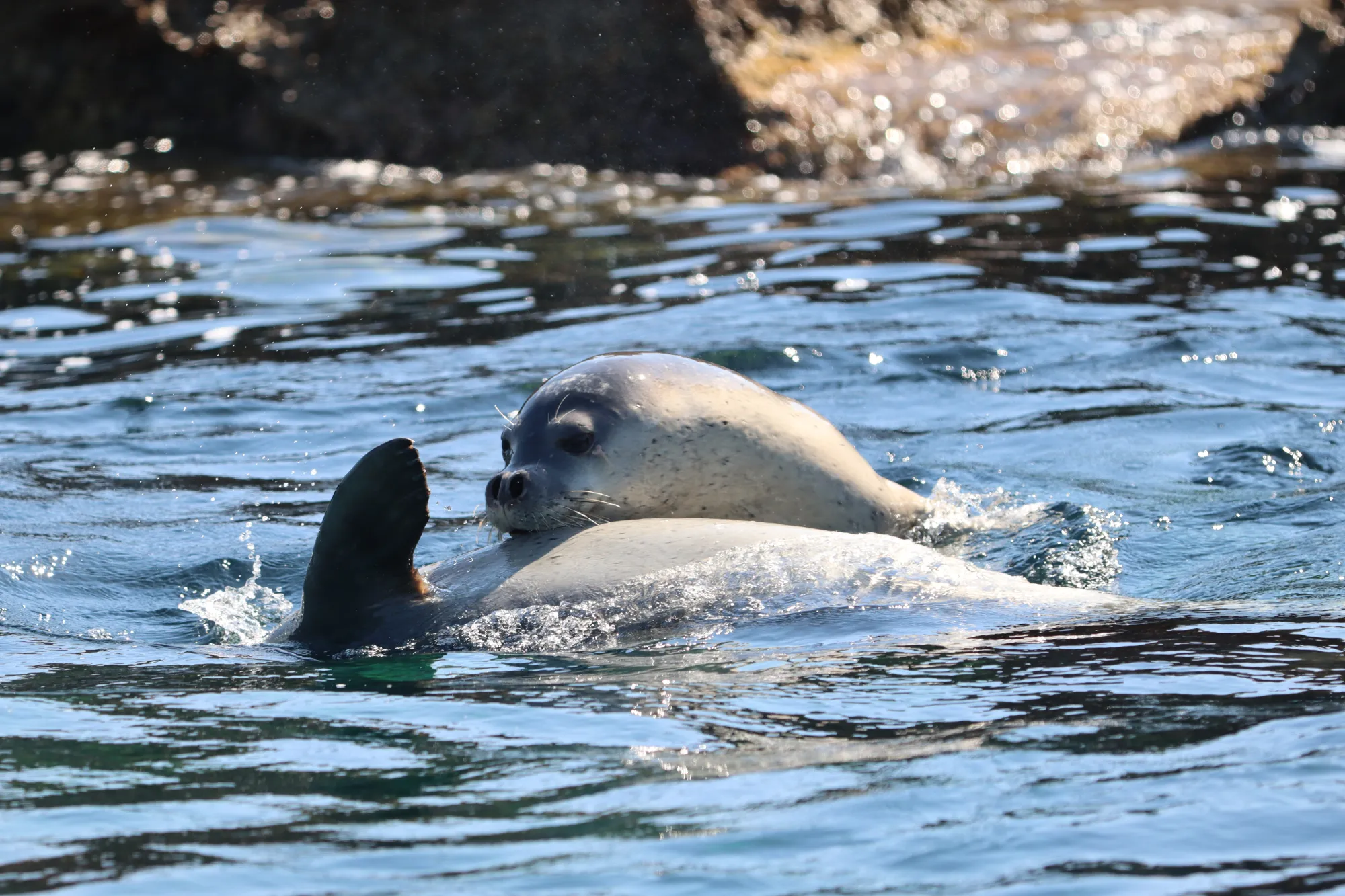
Acoustic monitoring efforts using a SoundTraps provided a comprehensive description of the monk seal vocal repertoire in the Inner Ionian Sea Archipelago; the first published documentation of the species vocalizing underwater. Our findings offer insights into the structure of the monk seal vocal repertoire and lay the groundwork for long-term monitoring for this rare species using PAM, which could be an important tool for monitoring monk seals going forwards.
Most of the IDP sightings are publicly accessible online via -> TO BE CHECKED
Ocean Biogeographic Information System – Spatial Ecological Analysis of Mega-vertebrate Populations (OBIS-SEAMAP). http://seamap.env.duke.edu/
Global Biodiversity Information Facility (GBIF) https://www.gbif.org/
European Ocean Biodiversity Information System – EurOBIS https://www.eurobis.org/.
By sharing its data on online platforms, the IDP contributes to a collaborative effort aimed at enhancing knowledge of cetacean ecology across the Mediterranean. To date, data have supported peer-reviewed studies on common and bottlenose dolphin habitat and movements. Many of the project’s findings have been published in scientific journals, advancing the global understanding and conservation of Mediterranean marine mammals.