About us
Ionian Dolphin Project
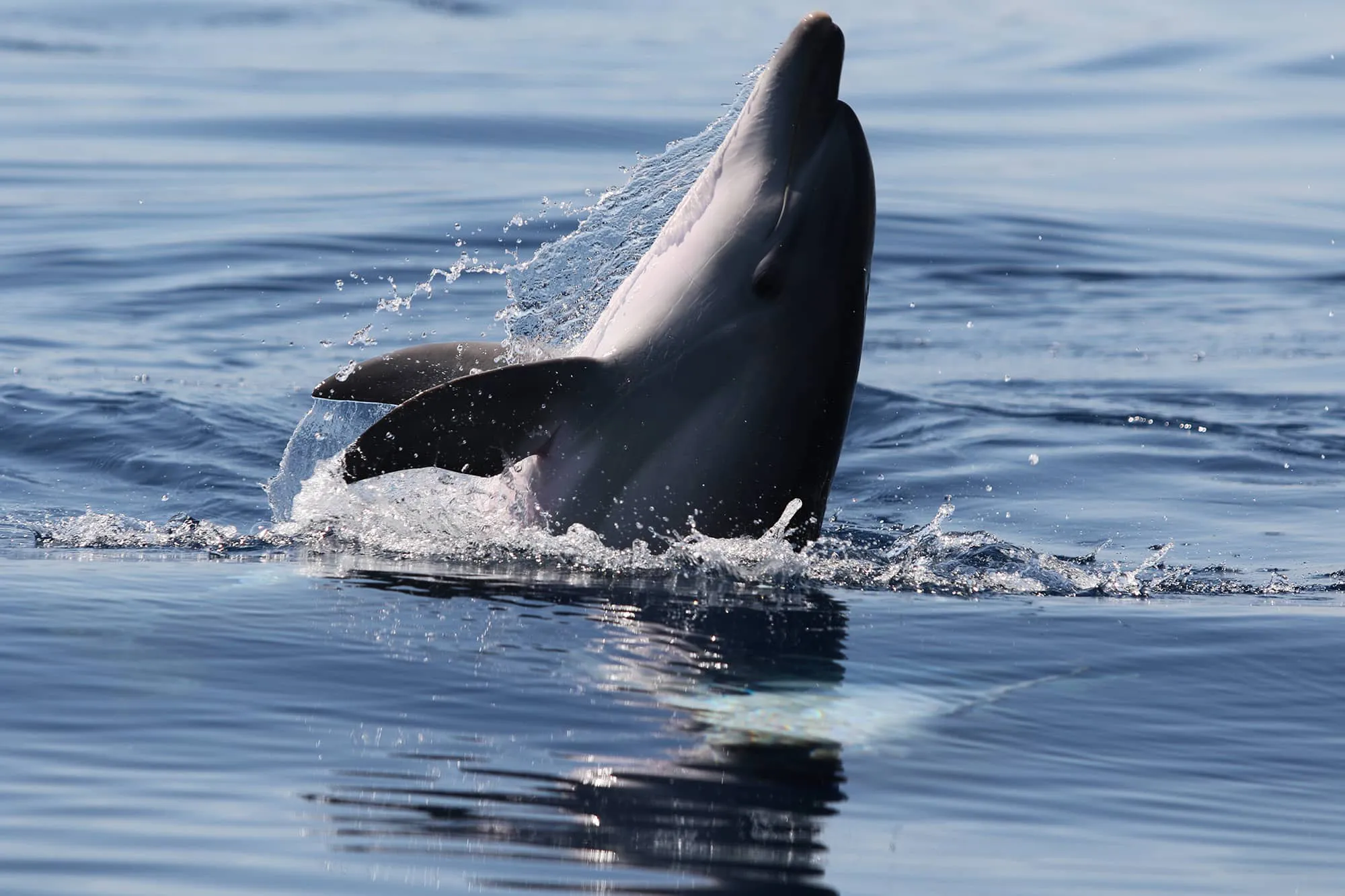
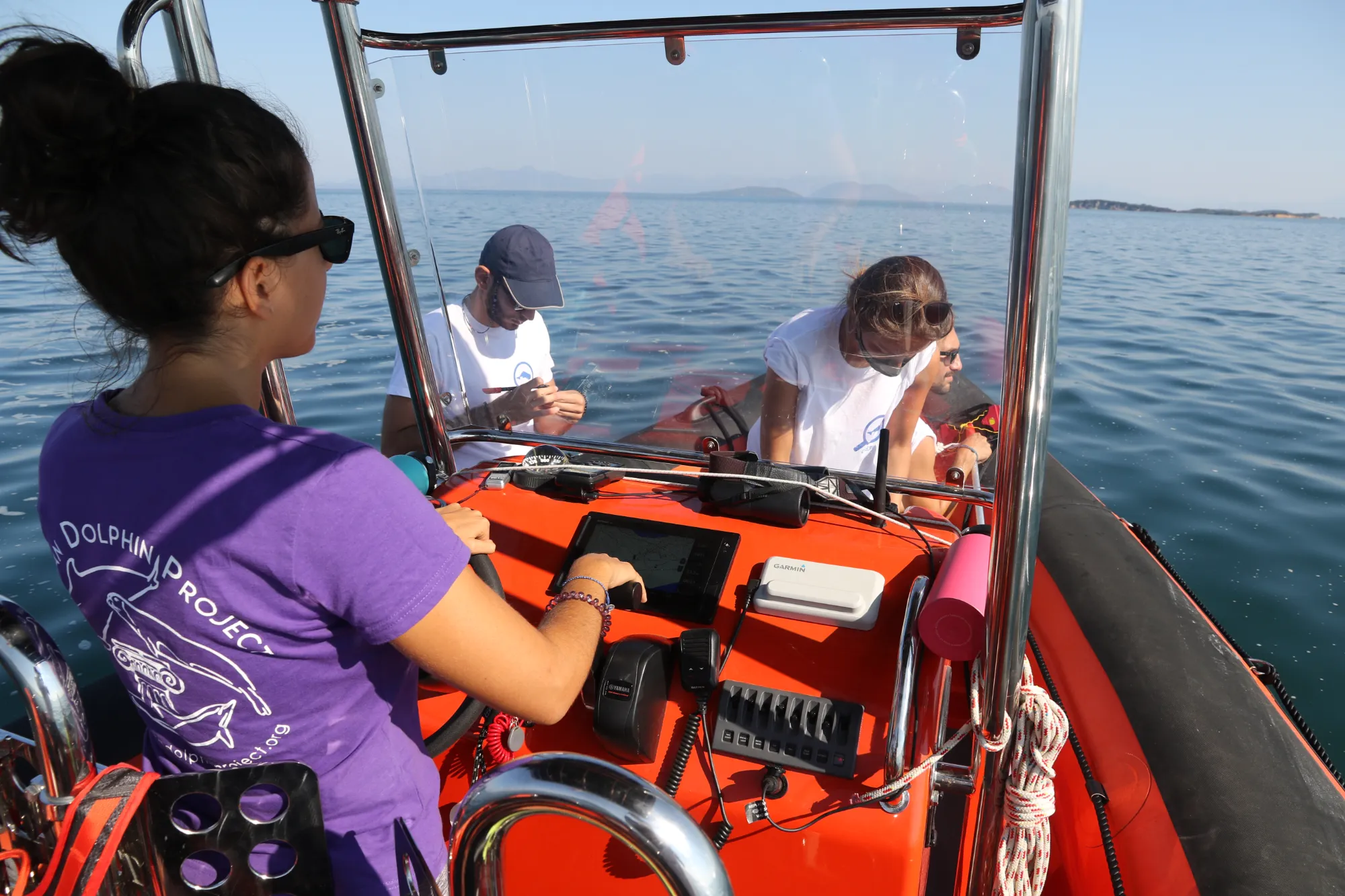
The Ionian Dolphin Project research team is composed of extensively experienced professionals in the field of marine mammal research and conservation. Typically, resident staff in our Greek base includes a principal field investigator leading the fieldwork, and one (or sometimes more) research assistants.
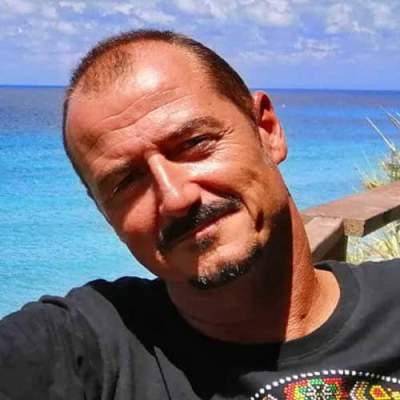
Project director and Science coordinator
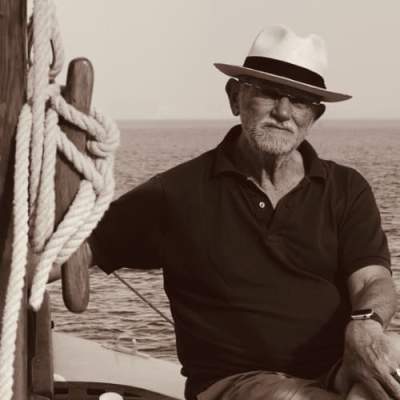
Senior science coordinator and marine conservation advisor
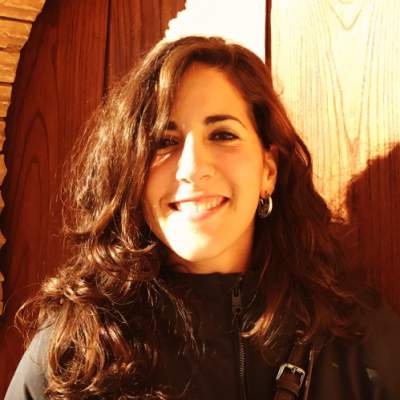
Field investigator, Data analysis
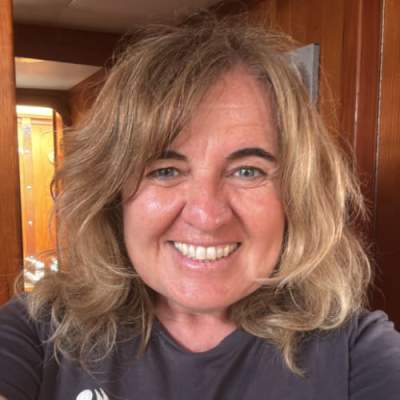
Field investigator, Data analysis
A non-profit organization for the study and conservation of the marine environment
Viale G.B. Gadio 2 - I-20121 Milano Italy
tethys@tethys.org
ph. +39 02 72 00 19 47
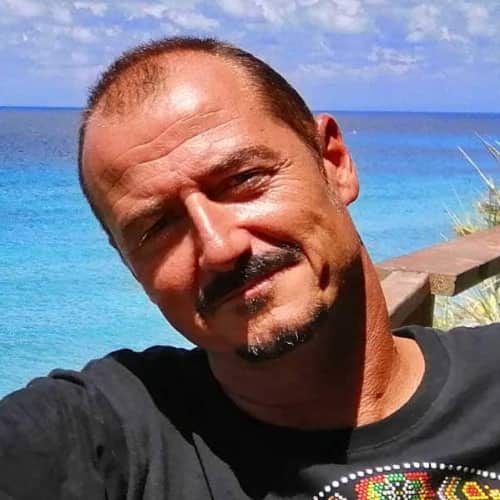
Joan Gonzalvo, is a Catalan biologist whose main research interest is the conservation of the marine environment and, more specifically, the study and conservation of marine mammals. He holds a Ph.D. in Biodiversity from the University of Barcelona. His first experience in the field of cetacean research took place in 1998 in Greece. Since then, he gained expertise in research methods including ship-based, land-based and aerial surveys on cetaceans, individual photo-identification, behavioural sampling, remote biopsy sampling, cetacean dissection techniques and tissue sampling on stranded animals. Since 2012 he also works on Mediterranean monk seal research and conservation. Joan regularly collaborates with UNEP’s Regional Activity Centre for Specially Protected Areas (RAC/SPA) and the Agreement on the Conservation of Cetaceans in the Black Sea, Mediterranean Sea and contiguous Atlantic area (ACCOBAMS). Among other consultancy work, he has prepared National Action Plans for the Conservation of Cetaceans in Syria and Lebanon, updated the Action Plan for the conservation of cetaceans in the Mediterranean and the Regional strategy for the conservation of the monk seal in the Mediterranean. Between 2020 and 2025 he Chaired the European Cetacean Society’s Council and is currently member of its Scientific Advisory Committee. In 2020 he became member of the IUCN Species Survival Commission (SSC) Cetacean Specialist Group (CSG). Since 2006 his research is carried out mainly in western Greece, where he leads the Ionian Dolphin Project. Joan is author and co-author of more than 30 peer-reviewed publications.
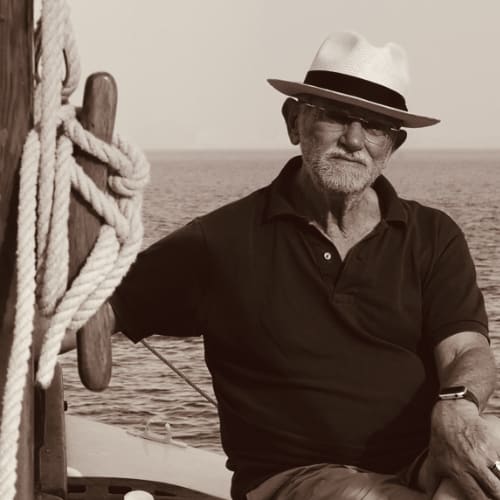
Giuseppe Notarbartolo di Sciara (PhD 1985, U. California San Diego, Scripps Institution of Oceanography) is a marine ecologist who has contributed for over 40 years to advancing knowledge of the ecology, behaviour and taxonomy of marine mammals and sharks. He is the honorary president of the Tethys Research Institute, which he founded in 1986. In 1991, he spearheaded the creation of the Pelagos Sanctuary for Mediterranean Marine Mammals, the world’s first high-seas marine protected area. From 1996 to 2003, he served as President of ICRAM, a government body responsible for providing scientific support to Italy’s national marine conservation policy. He served from 1999-2004 as the Italian Commissioner of the International Whaling Commission; from 1991-2022 as Deputy Chair of IUCN’s Cetacean Specialist Group; from 2002-2010 as Chair of the Scientific Committee of ACCOBAMS; and from 2014-2022 as the Councillor for aquatic mammals of the U.N. Convention of Migratory Species, appointed by the Conference of Parties. In 2013, he initiated the Important Marine Mammal Area program as an initiative of the IUCN Marine Mammal Protected Areas Task Force, which he co-founded and co-chairs. As a senior advisor, he also supports the Important Shark and Ray Area initiative. He taught conservation of marine biodiversity at the University Statale of Milan from 2007 to 2016. He has authored over 250 scientific works and 15 books, including “Sailing Across a Wounded Sea”, published by Springer Nature (further information on www.disciara.org).
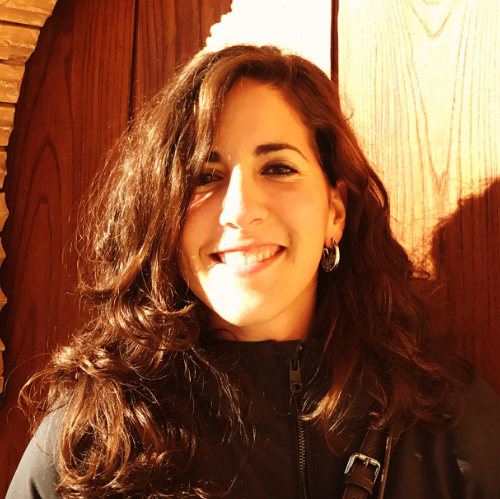
Carmen Andrés Hervias is a Spanish marine biologist specialising in the ecology, life-history traits, and conservation of Mediterranean marine mammals. She is currently completing a Ph.D. in Biodiversity at the University of Barcelona, focusing on the reproductive parameters, demographic trends, and population viability of bottlenose dolphins in the Gulf of Ambracia, western Greece. Since 2018, she has been a researcher and principal field investigator with the Ionian Dolphin Project, contributing to long-term studies on bottlenose dolphins, short-beaked common dolphins, and Mediterranean monk seals in the Ionian Sea. Her expertise includes boat-based surveys, individual photo-identification, behavioural data collection, fisheries-interaction assessments, citizen-science training, and management and analysis of long-term demographic datasets. She has also collaborated with the Sarasota Dolphin Research Program (Brookfield Zoo Chicago; Florida, USA), supporting photo-id surveys, prey sampling, health assessments, and biopsy-sampling campaigns. Additional research experience includes cetacean monitoring within the Italian Marine Protected Area of Torre Guaceto, as well as UAV-based campaigns collecting respiratory microbiome samples and photogrammetry data to assess body condition in dolphins and monk seals.
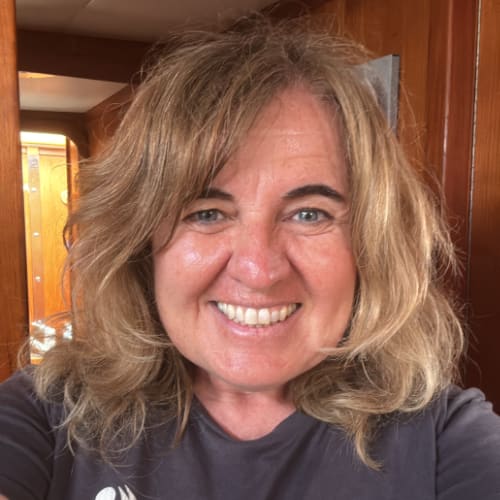
Marina Costa is a marine biologist with over 25 years of experience studying cetaceans and marine ecosystems across the Mediterranean and beyond. She holds a PhD in Marine Biology from the University of St Andrews (UK), a Master’s in Environmental Policy and Economics, and a MSc in Biology from the University of Milan. Her expertise spans cetacean population assessment, and habitat modeling; line-transect distance sampling; GIS-based spatial analysis; aerial, vessel-based, and drone survey methodologies; marine conservation and policy implementation (i.e., EU Marine Strategy Framework Directive). Marina has led and collaborated on international projects in the Red Sea, the South Atlantic, and the Mediterranean Sea. A member of the Tethys Research Institute since 2002 and on its Board since 2020, she is also a skilled skipper and diver, passionate about providing science-based data to drive marine conservation. Currently she is a researcher at the Italian Institute for Environmental Protection and Research (ISPRA).