About us 
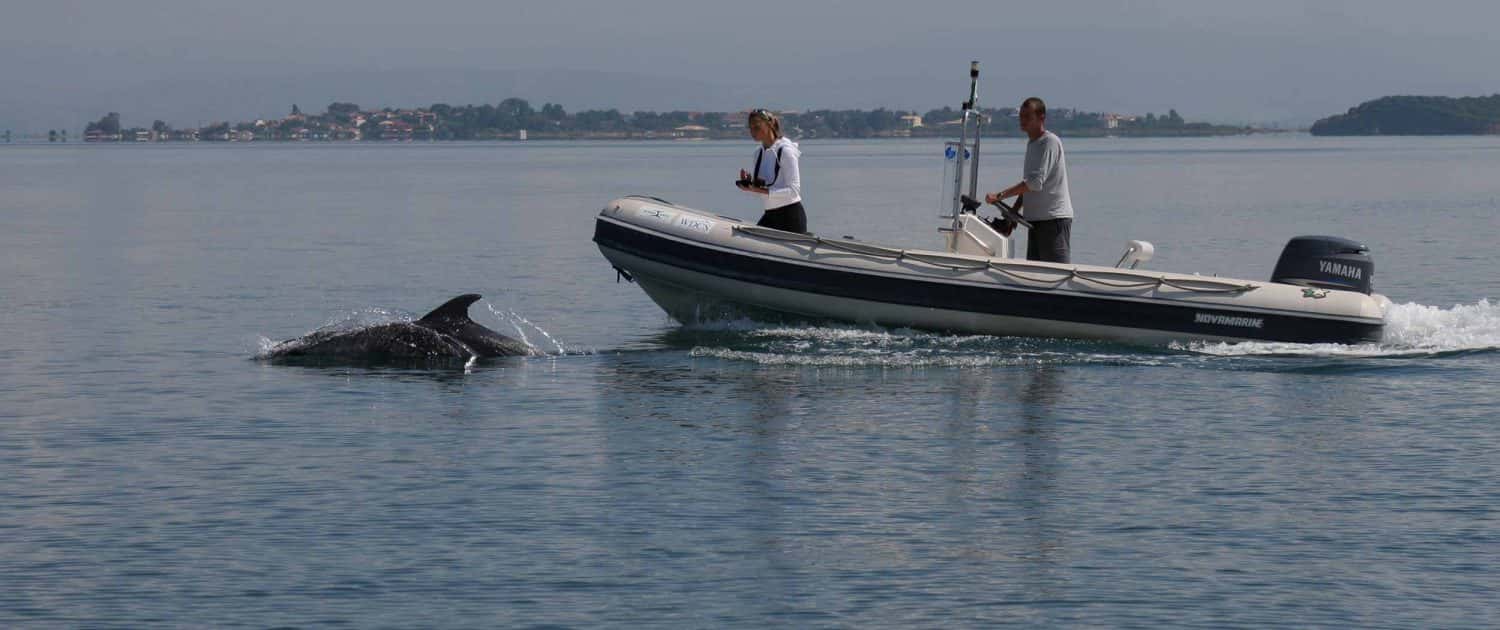
The Tethys Research Institute is a non-profit research organisation supporting marine conservation through science and public awareness, founded in 1986 and headquartered at the Civic Aquarium of Milano, Italy. Tethys’ main goal is the conservation of the marine environment, achieved through the provision of scientific knowledge to conservation policy, the participation in the international conservation process, and public awareness. Over almost three decades of work, Tethys has generated one of the largest datasets on Mediterranean cetaceans (available online), and shared the results of its research in hundreds of scientific publications. In 1991 Tethys was the first to conceive and propose the creation of an iconic protected area, the Pelagos Sanctuary for the Conservation of Mediterranean Marine Mammals, the world’s first to be established beyond national jurisdiction. Since 1987 Tethys has involved, as research volunteers, thousands of people from all over the world in its conservation activities. Funding to Tethys derive from government and EC grants, private donors, and contributions from research volunteers. The work of Tethys is based on the collaboration of approximately 30 associates and assistants.
L’Istituto Tethys ONLUS è una organizzazione senza fini di lucro dedicata alla conservazione dell’ambiente marino attraverso la ricerca scientifica e la sensibilizzazione del pubblico; fondato nel 1986, ha sede presso l’Acquario Civico di Milano. Lo scopo primario di Tethys è la conservazione dell’ambiente marino attraverso il supporto di conoscenza scientifica alle misure e alle normative in materia di tutela delle specie e dell’ambiente, la partecipazione al processo internazionale di conservazione, e la sensibilizzazione del pubblico. In oltre tre decenni di attività, Tethys ha prodotto uno dei più vasti dataset sui cetacei del Mediterraneo (disponibile online), comunicando i risultati delle proprie ricerche attraverso centinaia di pubblicazioni scientifiche. Nel 1991 è stato primo a concepire e proporre la creazione di un’area protetta emblematica, il Santuario Pelagos per la conservazione dei mammiferi marini del Mediterraneo, la prima al mondo istituita oltre le giurisdizioni nazionali. Nell’ambito di un programma di citizen science che oggi è tra i più lunghi al mondo, Tethys ha coinvolto nelle attività in mare, dal 1987, migliaia di persone di ogni nazionalità come collaboratori non-specialisti. Le attività di Tethys sono possibili grazie a finanziamenti governativi e della Comunità Europea, a donazioni private, e al contributo dei volontari di ricerca. Il lavoro dell’istituto si basa su circa 30 collaboratori.